


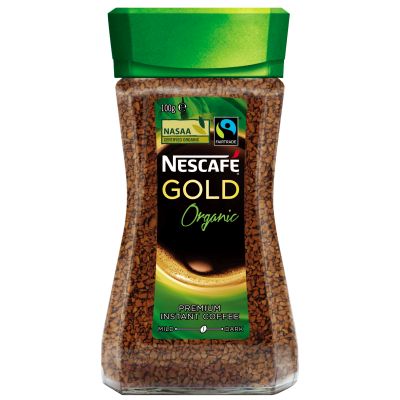
Nestle has launched a certified organic, fairtrade instant coffee range in response to a growing demand for premium sustainable products.
Nescafe Gold Organic, launched today in Australia, uses Arabica coffee beans grown and harvested by Fairtrade-certified farmer cooperatives in Peru.
They are then ground and roasted to produce the soluble coffee, which has an RRP of $10.99 for a 100g jar in comparison to $9.50 for its non-organic equivalent.
Nescafe head of marketing Rebecca Dobbins said consumers were willing to pay a premium for coffee that ticked the right boxes in terms of sustainability.
Nestle said its aim was to reduce the footprint of coffee production and help coffee farming communities under the Nescafe Plan, launched in 2010.
The range has been classified certified organic by the National Association for Sustainable Agriculture Australia (NASAA) and independently certified by Fairtrade.
CEO of Fairtrade Australia & New Zealand Molly Harriss Olson said Fairtrade had been a sustainability partner throughout its production, from working with the coffee farmers to secure fair prices and working conditions, through to initiatives for environmental protection and community development.
Nescafe Gold Organic is now sold in Woolworths, Coles and independent retailers.


